CAAS Drone Regulations for Singapore Operators: 2025-2026 Consolidated Reference
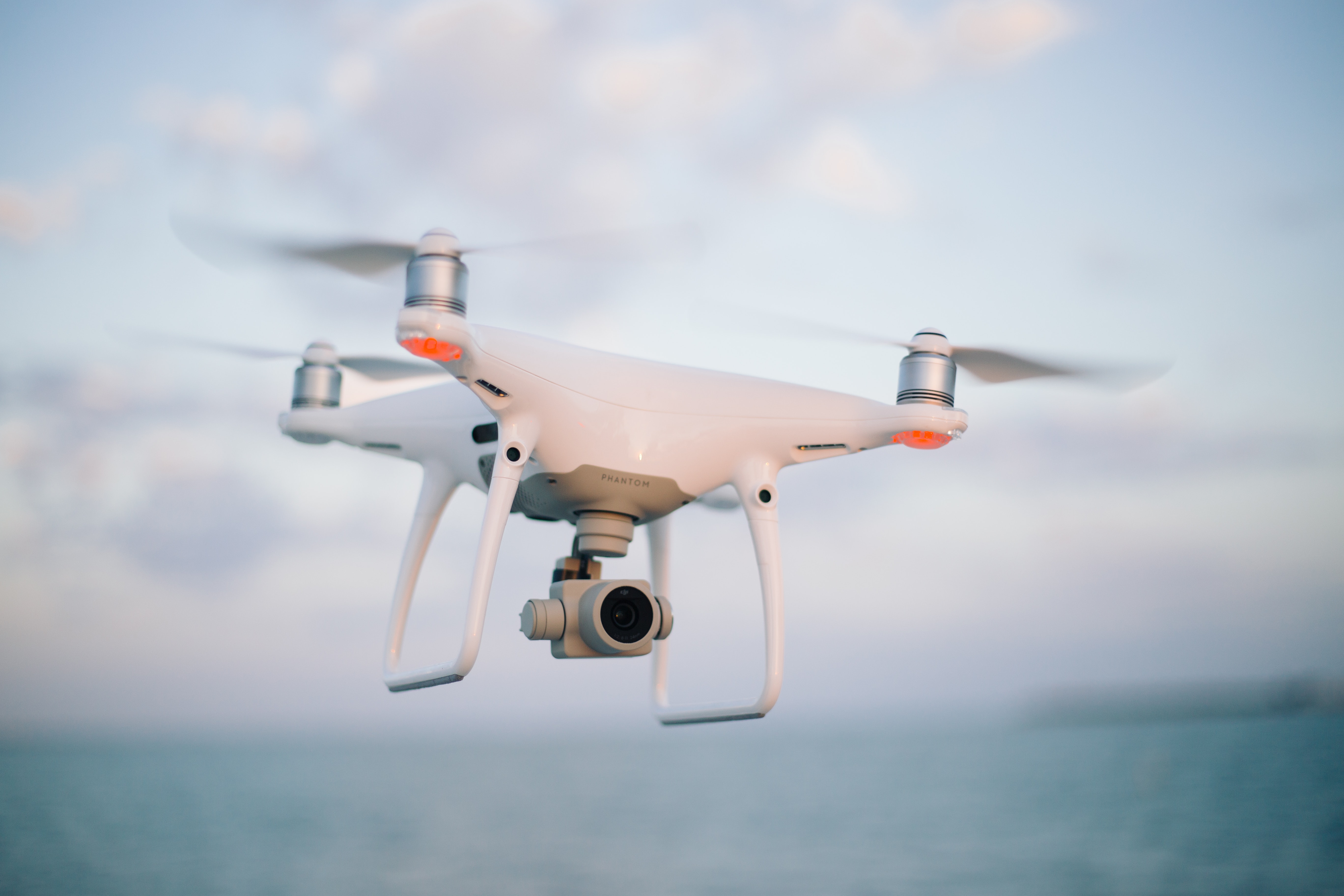
Singapore regulates unmanned aircraft (UA) through the Civil Aviation Authority of Singapore (CAAS) under the Air Navigation Act and its subsidiary regulations. The framework differentiates drone operations by purpose — recreational, educational, or commercial — with distinct requirements for each category. Several significant policy changes took effect in February and December 2025, reshaping how operators register, identify, and fly their aircraft.
Registration Requirements
Any UA weighing above 250g must be registered with CAAS before it can be flown in Singapore. Operating an unregistered UA above this threshold is an offence carrying a fine of up to S$10,000, imprisonment for up to 6 months, or both. As of 14 February 2025, CAAS removed the previous limit on the number of UA above 250g that each individual or company can register, responding to feedback from commercial operators and hobbyists who own multiple aircraft.
Registration is handled through the CAAS online portal. Owners receive a unique registration number that must be affixed to the UA body in a visible location. The process requires valid identification (NRIC for citizens/PRs, or passport details for foreign-registered entities operating in Singapore).
Broadcast Remote Identification (B-RID)
Effective 1 December 2025, all UA weighing above 250g must be equipped with Broadcast Remote Identification when operating outdoors. B-RID broadcasts the UA's identity, position, altitude, and operator location in real time, allowing authorities to identify who is flying what, and where.
CAAS maintains a verified list of UA models and standalone B-RID modules that meet Singapore's compliance requirements. Operators should check this list before purchasing equipment. For existing UA not natively equipped with B-RID, CAAS has fully subsidised the cost of add-on B-RID modules, including installation.
B-RID does not apply indoors or within enclosed environments. Operator permit holders already tracked via the Centralised Flight Management System (CFMS) are also exempt from the B-RID module requirement, as CFMS provides equivalent identification capability.
Permits: Operator Permit and Activity Permit
Two permit types exist under CAAS regulation:
- Operator Permit — Required for entities conducting commercial UA operations. Demonstrates the operator has adequate safety management systems, trained personnel, and insurance coverage.
- Activity Permit — Required for specific flight activities. Covers details such as flight location, date and time, altitude, and operational conditions. CAAS categorises Activity Permits by activity type, and submission requirements vary accordingly.
Permit Classes
| Class | Purpose | Key Requirement |
|---|---|---|
| Class 1 | Commercial operations | Operator Permit + Activity Permit |
| Class 2 | Recreational / Educational in restricted zones | Activity Permit only |
Altitude Limits
The default maximum altitude for UA operations is 200 feet above mean sea level (AMSL) unless additional permits are obtained. Since 14 February 2025, commercial operators with permits may fly up to 400 feet AMSL on all days of the week in designated areas (previously, flights above 200 feet were restricted to weekends). These designated areas are generally more than 6km from aerodromes.
For UA operations above 400 feet AMSL in designated areas, or above 200 feet AMSL outside designated areas, flights continue to require specific permit approval and are limited to weekends.
Training and Licensing
CAAS defines two training requirements depending on operational purpose and UA weight:
- UABT (Unmanned Aircraft Basic Training) — A short theory-based course required for recreational and educational operators of UA above 250g. Takes approximately 2 hours and results in a certificate upon passing.
- UAPL (Unmanned Aircraft Pilot Licence) — Required for commercial operators and those flying UA above 7kg. Involves more comprehensive theory and practical assessment.
CFMS FlyItSafe Application
Since 14 February 2025, operator permit holders can digitally request real-time airspace clearance through the CFMS FlyItSafe mobile application. The "Call Approval" feature replaced the previous requirement to telephone CAAS and RSAF at the start and end of each operation. In certain pre-cleared zones (based on height and location), operators receive immediate clearance without waiting for manual review.
Key Penalties
| Offence | Maximum Penalty |
|---|---|
| Operating unregistered UA above 250g | S$10,000 fine / 6 months imprisonment |
| Flying in Protected Area without permit | S$50,000 fine / 2 years imprisonment |
| Operating without required B-RID (from Dec 2025) | S$10,000 fine |
| Flying above 200ft without permit | S$20,000 fine / 12 months imprisonment |
External References
Related reading: No-Fly Zones in Singapore | Camera Settings for Aerial Photography